Ladakh's Governance Shake-Up: Centre Proposes Elected Council Amid Sixth Schedule Demands
The Indian government has proposed inserting Article 371-K into the Constitution to create a directly elected legislative body for Ladakh, a Union Territory since 2019. This move comes amid local demands for Sixth Schedule status to protect Ladakh's cultural identity and address governance concerns.
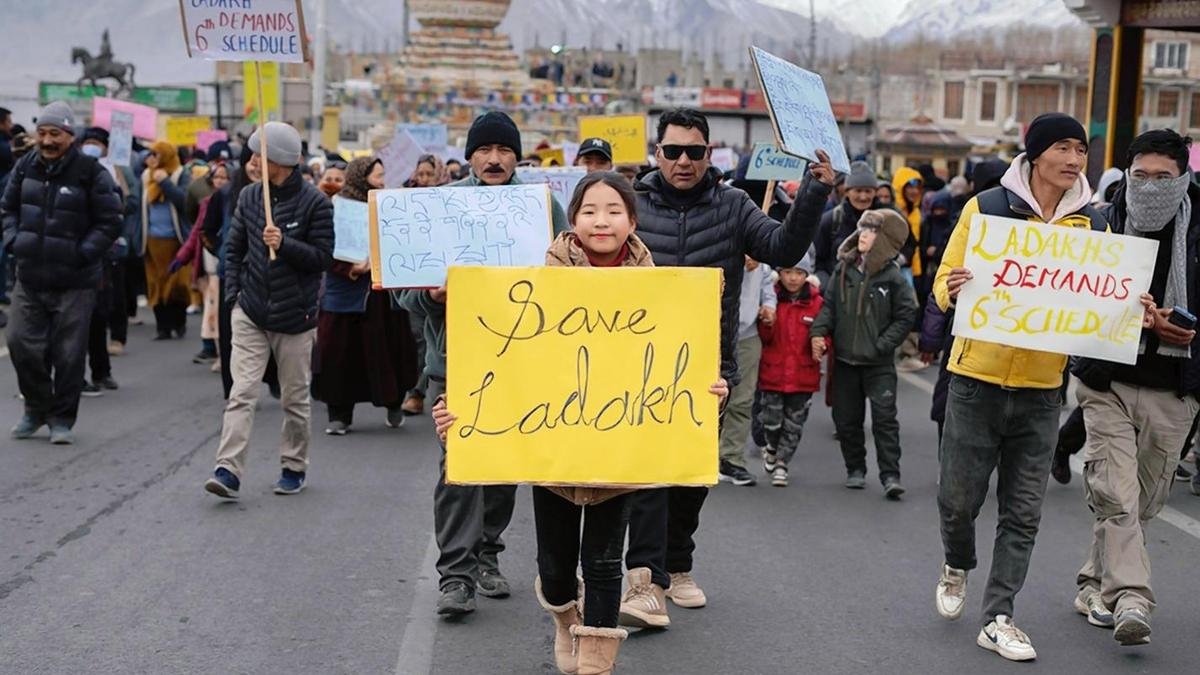
The Indian government has proposed the insertion of Article 371-K into the Constitution to establish a directly elected legislative body for Ladakh, a Union Territory created under the Jammu and Kashmir Reorganisation Act, 2019. The proposal, announced on [date], aims to provide greater democratic representation to the region, which has been without an elected government since its reorganization.
Since becoming a Union Territory, Ladakh has been governed by a Lieutenant Governor, leading to concerns among local groups about the preservation of the region's unique cultural heritage and demands for Sixth Schedule status, which would grant autonomous district councils. The proposed Article 371-K seeks to address these demands by creating a legislative assembly with elected members, though details on its powers and composition are yet to be finalized. The move follows years of protests and dialogues between local leaders and the central government.
The proposal has elicited mixed reactions. While some local political factions welcome the step towards greater autonomy, others argue that it falls short of the Sixth Schedule demand, which they believe is essential for protecting land and cultural rights. The government's next steps include drafting the amendment bill and seeking parliamentary approval, a process that will likely involve further consultations with stakeholders. The outcome will significantly impact Ladakh's governance and its relationship with the Centre.
Comments (0)
No comments yet. Be the first to share your thoughts!
Leave a Comment