Estonia's President-Elect Madise Sparks Defense Role Debate
President-elect Ülle Madise has called for the National Defense Council to meet more regularly, prompting debate over the largely symbolic role of the Estonian presidency in defense policy. The move raises questions about how Madise will use her office to influence national security discussions.
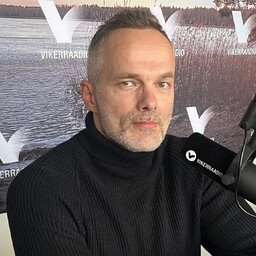
President-elect Ülle Madise has proposed that Estonia's National Defense Council convene more frequently, signaling a desire to elevate defense discussions during her upcoming term. The announcement, made in Tallinn, comes as Madise prepares to assume the largely ceremonial role of president, which includes the title of 'supreme commander of national defense.'
The presidency in Estonia is primarily symbolic, with executive power vested in the prime minister and government. However, the president serves as a moral authority and can influence public discourse. Meelis Oidsalu, a former defense official, has criticized the title of 'supreme commander' as misleading, arguing it overstates the president's actual command authority. The National Defense Council, which includes the president, prime minister, and other key officials, advises on security matters but has met infrequently in recent years.
Madise's push for regular meetings could signal a more active presidential role in defense policy, potentially reshaping civil-military relations. While she has not detailed specific policy goals, her initiative may prompt a broader debate on the president's constitutional powers and the effectiveness of Estonia's defense coordination. Observers will watch whether this leads to substantive changes or remains a symbolic gesture.
Comments (0)
No comments yet. Be the first to share your thoughts!
Leave a Comment