Elderly Left Behind: India's Disaster Plans Fail Rural Seniors
Policy Circle has called for India's disaster planning to explicitly account for elderly people in rural areas, emphasizing the need for local data, clear panchayat responsibilities, and predictable funding. The recommendation comes as India's ageing rural population faces heightened vulnerability to disasters, yet remains largely absent from official preparedness frameworks.
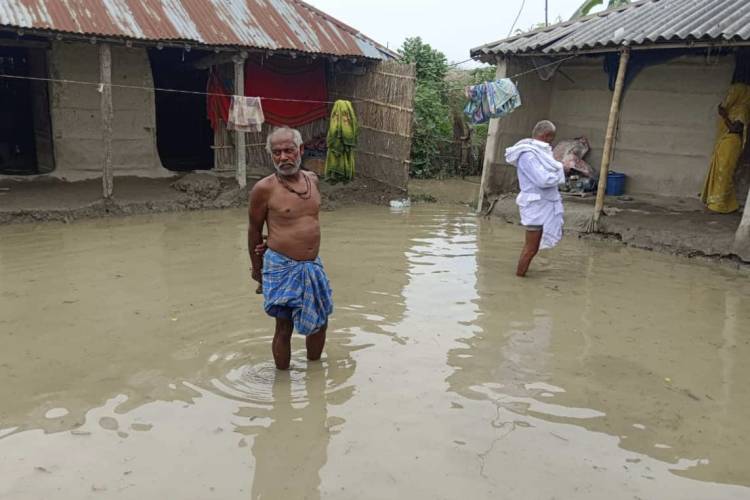
Policy Circle, an Indian public policy think tank, has urged the government to integrate elderly rural populations into disaster planning, stressing the need for local data, defined panchayat responsibilities, and predictable funding. The recommendation, released on [date], highlights a critical gap in India's disaster management framework as the country grapples with a rapidly ageing rural demographic.
India's rural elderly often lack access to early warning systems, evacuation support, and post-disaster relief, according to Policy Circle. With panchayats—village councils—serving as the first line of response, the think tank argues they must be formally tasked and funded to identify and assist vulnerable seniors. The group also calls for granular local data to map elderly populations and their specific needs. "Disaster planning must account for those who cannot easily flee or recover," a Policy Circle spokesperson said, noting that current plans overlook the mobility and health constraints of older adults.
The proposal has implications for India's National Disaster Management Authority and state governments, which would need to revise guidelines and allocate resources. If adopted, it could serve as a model for other developing nations with large rural elderly populations. Next steps include advocacy with policymakers and pilot programs in select districts, though no timeline has been announced.


Comments (0)
No comments yet. Be the first to share your thoughts!
Leave a Comment