Civil Services Exam 2026: Is India's Toughest Test Failing Its Own Purpose?
The Civil Services Preliminary Examination 2026, conducted by the Union Public Service Commission (UPSC), has ignited a debate over whether its stringent design is unfairly rejecting capable candidates. Critics argue that the exam's complexity may be undermining its purpose of identifying true merit, prompting calls for a systemic review and course correction.
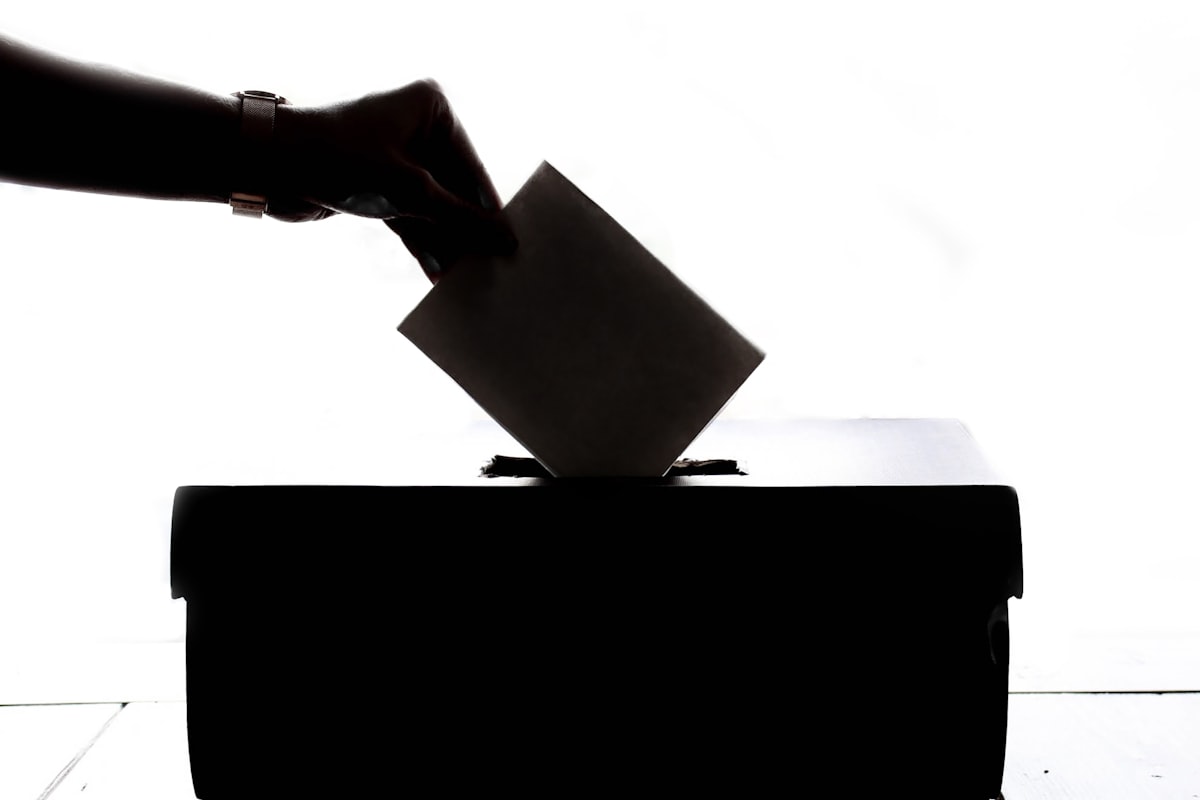
The Civil Services Preliminary Examination 2026, administered by the Union Public Service Commission (UPSC), has come under intense scrutiny following widespread concerns that the exam's tough design may be inadvertently rejecting talented candidates rather than filtering them. The exam, held across India, is the first hurdle for aspirants seeking entry into the prestigious Indian Administrative Service, Indian Police Service, and other central services. This year's preliminary test, conducted in June 2026, has sparked a nationwide debate about whether the examination's complexity is aligned with its stated objective of identifying merit.
Historically, the UPSC Civil Services Examination is renowned for its low success rate, with lakhs of applicants competing for a few hundred positions. In 2025, over 10 lakh candidates applied, but only about 1,000 cleared the final stage. The preliminary exam, consisting of two papers—General Studies and CSAT—is designed to test a candidate's analytical ability and breadth of knowledge. However, critics point out that the 2026 paper was unusually tough, with ambiguous questions and a heavy emphasis on rote memorization, leading to allegations that it favors coaching institutes over self-study. A former UPSC member, speaking on condition of anonymity, said, "The exam should be a test of aptitude, not endurance. When it becomes a guessing game, it loses its credibility." The Hindu, in its editorial, questioned whether the exam is "tough by design or default," urging a deeper reflection on the system's fairness.
The implications of this controversy are significant. If the exam is perceived as unfair, it could erode trust in India's merit-based selection system, potentially discouraging bright candidates from diverse backgrounds. Student groups have already staged protests in New Delhi, demanding a review of the evaluation process. The UPSC has not yet issued an official statement, but sources indicate that a committee may be formed to examine the concerns. Globally, such debates resonate with other high-stakes exams like China's Gaokao and the US SATs, where similar questions of equity and design persist. As India strives to build a capable civil service, the need for timely course correction is paramount to ensure that the system truly identifies merit rather than merely rejecting talent.


Comments (0)
No comments yet. Be the first to share your thoughts!
Leave a Comment