Blood-Tainted Ice Cubes: The Dark Truth Behind Madras's Ice House
The Ice House in Madras, a popular heritage site, conceals a grim history of British ice trade built on exploited labour and human suffering. Behind the luxury of imported ice lay blood-tainted ice cubes and a deadly famine that claimed countless lives. This dark chapter challenges the romanticized narrative of colonial enterprise.
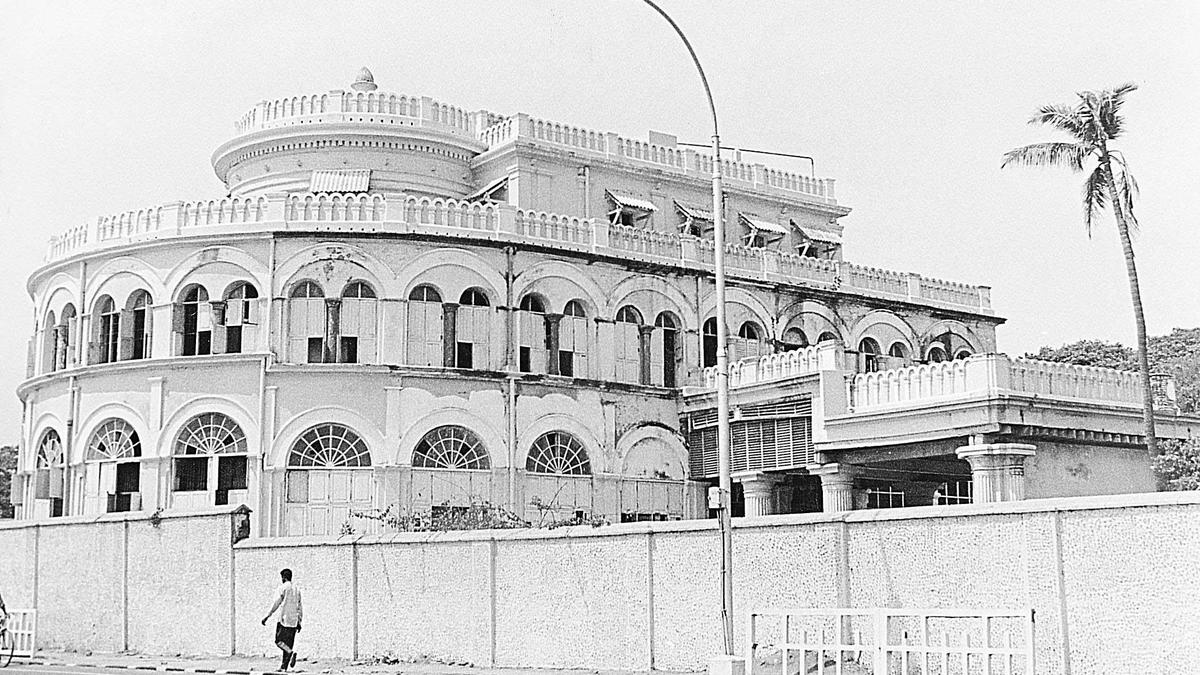
The Ice House in Madras, now a heritage landmark, has long been celebrated as a symbol of British luxury—a place where ice was imported and sold to colonial elites. However, recent historical scrutiny reveals a darker reality: the ice trade was built on the brutal exploitation of labourers and coincided with a devastating famine that ravaged the local population. The dispatch, sourced from The Hindu, highlights how the pursuit of luxury came at a horrific human cost.
Behind the frozen blocks that cooled drinks and preserved delicacies lay a system of suffering. Labourers, often working in inhumane conditions, harvested and transported ice under perilous circumstances. Simultaneously, the Madras famine of the late 19th century—exacerbated by colonial policies—led to mass starvation. The juxtaposition of opulent ice consumption and widespread death underscores the extractive nature of British rule. The Ice House, therefore, stands as a monument not just to refrigeration but to the blood-tainted foundations of empire.
The implications of this history resonate today, as scholars and activists call for a more honest reckoning with colonial legacies. Global reactions may prompt renewed debates about heritage sites and their interpretation. Next steps could include public education initiatives, revised museum exhibits, and further research into the intertwined histories of luxury, exploitation, and famine in colonial India.



Comments (0)
No comments yet. Be the first to share your thoughts!
Leave a Comment