AFSPA Extended in Manipur, Nagaland, Arunachal Pradesh: What It Means for the Northeast
The Indian government has extended the Armed Forces (Special Powers) Act (AFSPA) in Manipur, Nagaland, and Arunachal Pradesh, declaring additional areas as 'disturbed'. The move grants sweeping powers to armed forces, including arrest without warrant and use of lethal force, raising concerns over human rights and regional stability.
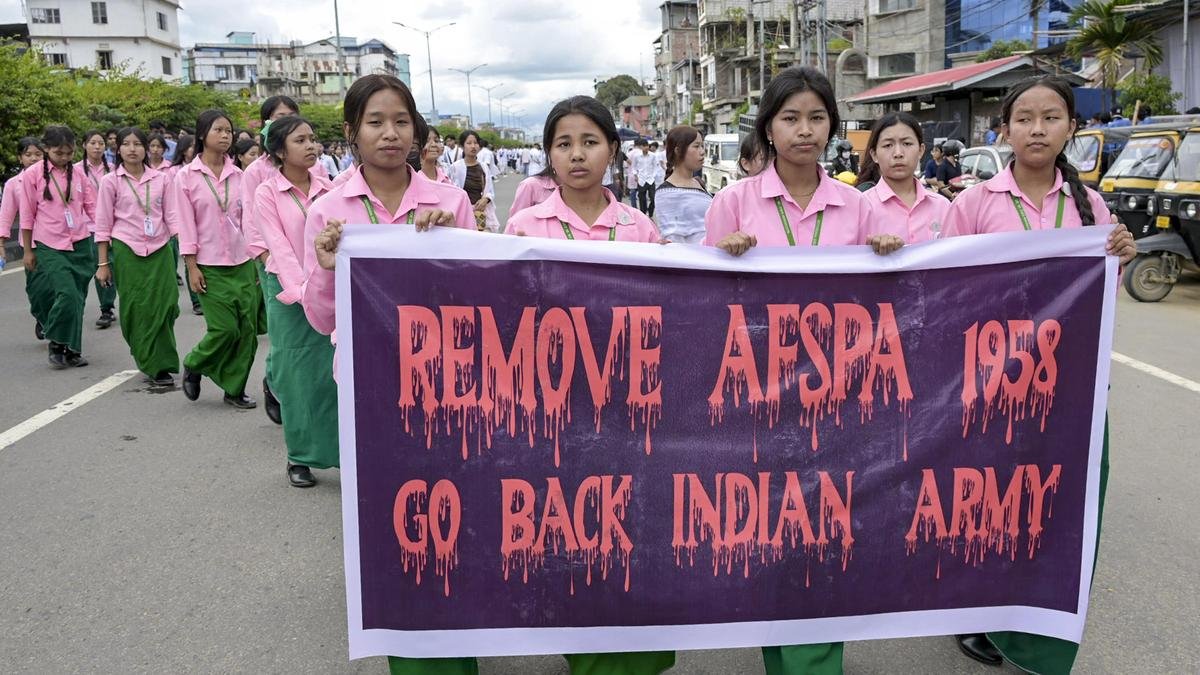
The Indian government has extended the Armed Forces (Special Powers) Act (AFSPA) in Manipur, Nagaland, and Arunachal Pradesh, declaring additional areas as 'disturbed' under the controversial law. The decision, announced on [date], grants armed forces sweeping powers to arrest without warrant, search premises, and use lethal force against civilians in these regions.
AFSPA, enacted in 1958, has been a contentious issue in the Northeast, with critics arguing it enables human rights abuses and fosters a culture of impunity. Over the years, its footprint has fluctuated: while some areas have been removed from the disturbed list, others remain under its purview. The extension comes amid ongoing ethnic tensions in Manipur and sporadic insurgency in Nagaland and Arunachal Pradesh.
The move is likely to draw criticism from human rights groups and local communities, who have long demanded the repeal of AFSPA. It may also strain relations between the central government and state administrations. The government, however, justifies the extension as necessary to maintain law and order and combat insurgency. Next steps may include legal challenges and protests, as seen in previous AFSPA extensions.




Comments (0)
No comments yet. Be the first to share your thoughts!
Leave a Comment