US Trade Deficit Mystery: It's Not What You Think, Economists Say
A new analysis from Marketplace challenges the common belief that the US trade deficit is primarily caused by unfair trade practices or tariffs. Instead, it points to deeper macroeconomic factors such as global savings patterns and the strong US dollar. The report suggests that addressing the deficit requires a broader understanding of international capital flows.
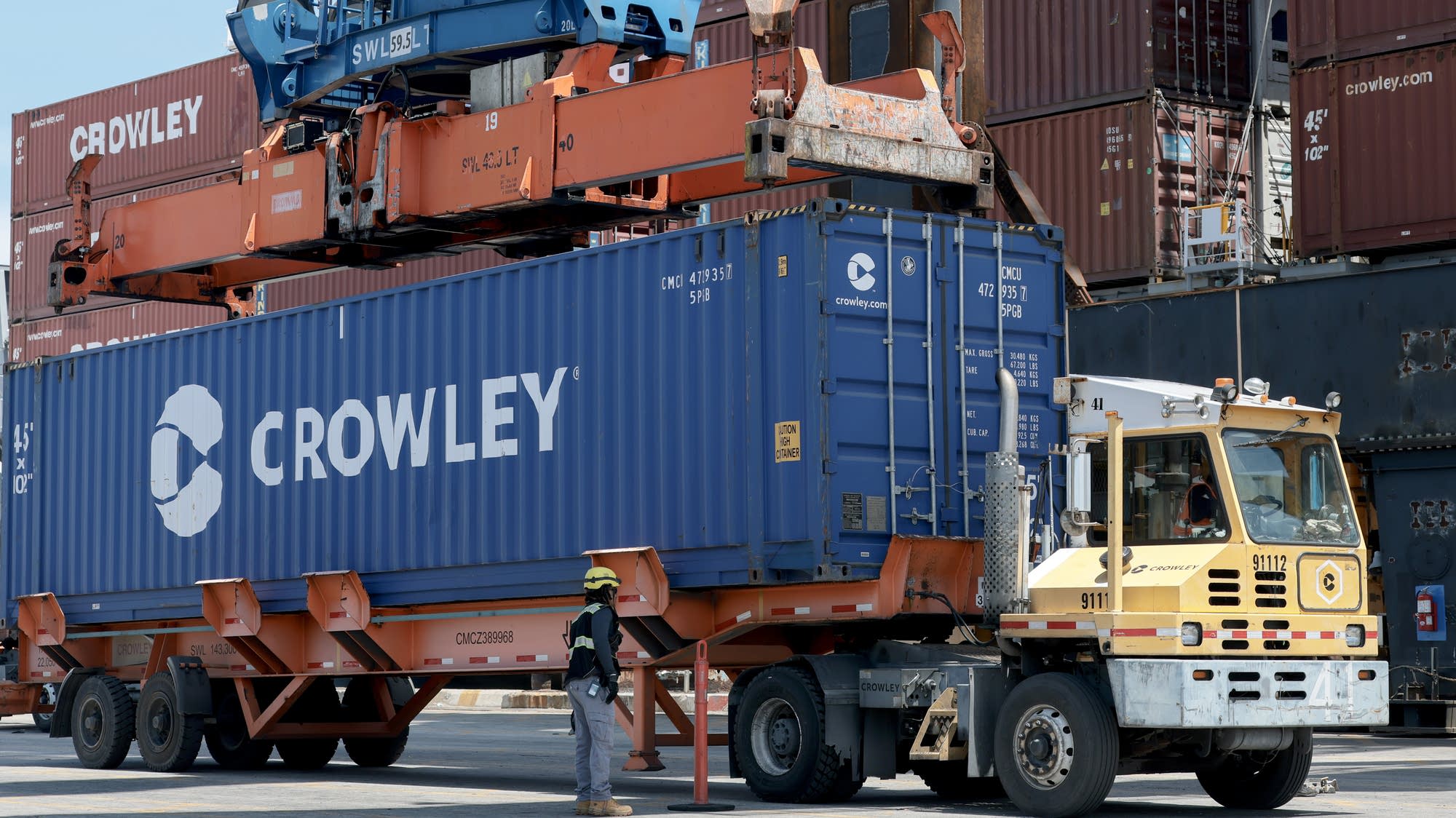
The persistent US trade deficit, a frequent target of political rhetoric, may stem from causes other than unfair trade practices, according to a new report from Marketplace. The analysis argues that the deficit is largely driven by global macroeconomic forces, including a surplus of savings in countries like China and Germany, which flows into US assets and drives up the dollar.
Economists cited in the report note that the US trade deficit is not simply a result of tariffs or trade agreements but is tied to the dollar's status as the world's reserve currency and low US national savings. This perspective challenges the Trump administration's focus on bilateral trade deals and tariffs as solutions.
The findings have significant implications for policymakers, suggesting that reducing the deficit would require coordinated international efforts to boost global demand and adjust savings rates. As the US continues to grapple with trade tensions, this analysis urges a reevaluation of the root causes and potential remedies for the trade imbalance.




Comments (0)
No comments yet. Be the first to share your thoughts!
Leave a Comment