Unlock Cash Without Selling Stocks: The Demat Loan Hack Explained
Investors can borrow against shares held in a demat account to access immediate cash without selling their holdings. The borrowing capacity depends on the securities and lender guidelines, but borrowers must understand risks like price fluctuations, default consequences, and tax implications. Thoroughly reviewing loan terms is essential before committing.
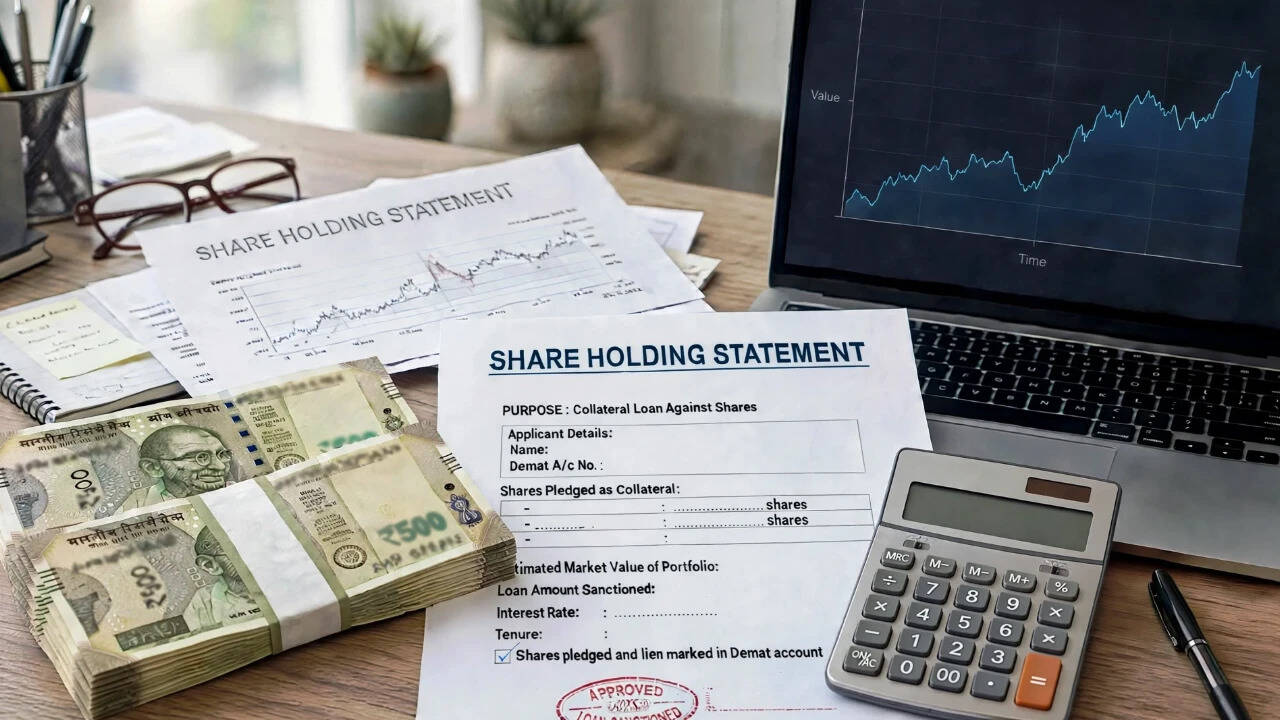
Investors seeking immediate cash without liquidating their stock portfolios now have a viable option: leveraging shares held in a demat account as collateral for loans. This financial maneuver, detailed in a recent Times of India report, allows individuals to borrow against their securities, with the borrowing limit determined by the type of shares and the lender's specific guidelines. The development highlights a growing trend in personal finance where investors aim to maintain their market positions while meeting short-term liquidity needs.
The mechanism, however, comes with significant caveats. Borrowers must navigate the inherent risks of fluctuating share prices, which can trigger margin calls or forced selling if the collateral value drops. Defaulting on such loans can lead to the liquidation of pledged shares, potentially at unfavorable prices. Additionally, the tax implications of such transactions—ranging from interest deductibility to capital gains treatment—require careful consideration. Lenders typically stipulate loan-to-value ratios and interest rates that vary widely, making it crucial for investors to compare terms and assess their repayment capacity before committing.
As retail participation in equity markets surges, products like loan-against-shares are likely to gain traction, offering flexibility but also amplifying exposure to market volatility. Financial advisors recommend that investors use this tool judiciously, ensuring they have a clear exit strategy and understand the fine print. Regulatory bodies may also scrutinize these practices to safeguard investor interests, especially in times of market turbulence. For now, the option remains a double-edged sword: a convenient liquidity source for the savvy, but a potential trap for the unprepared.





Comments (0)
No comments yet. Be the first to share your thoughts!
Leave a Comment