Superbug Alert: Deadly Fungus Now Resists All Antifungal Drugs—Twice Over
A dangerous fungus, likely Candida auris, has developed resistance to all major antifungal drugs, and this resistance has emerged independently at least twice, according to a new report. The dual pan-resistance poses a serious threat to global health, especially for immunocompromised patients in hospitals. Scientists warn that without new antifungal treatments, common infections could become untreatable.
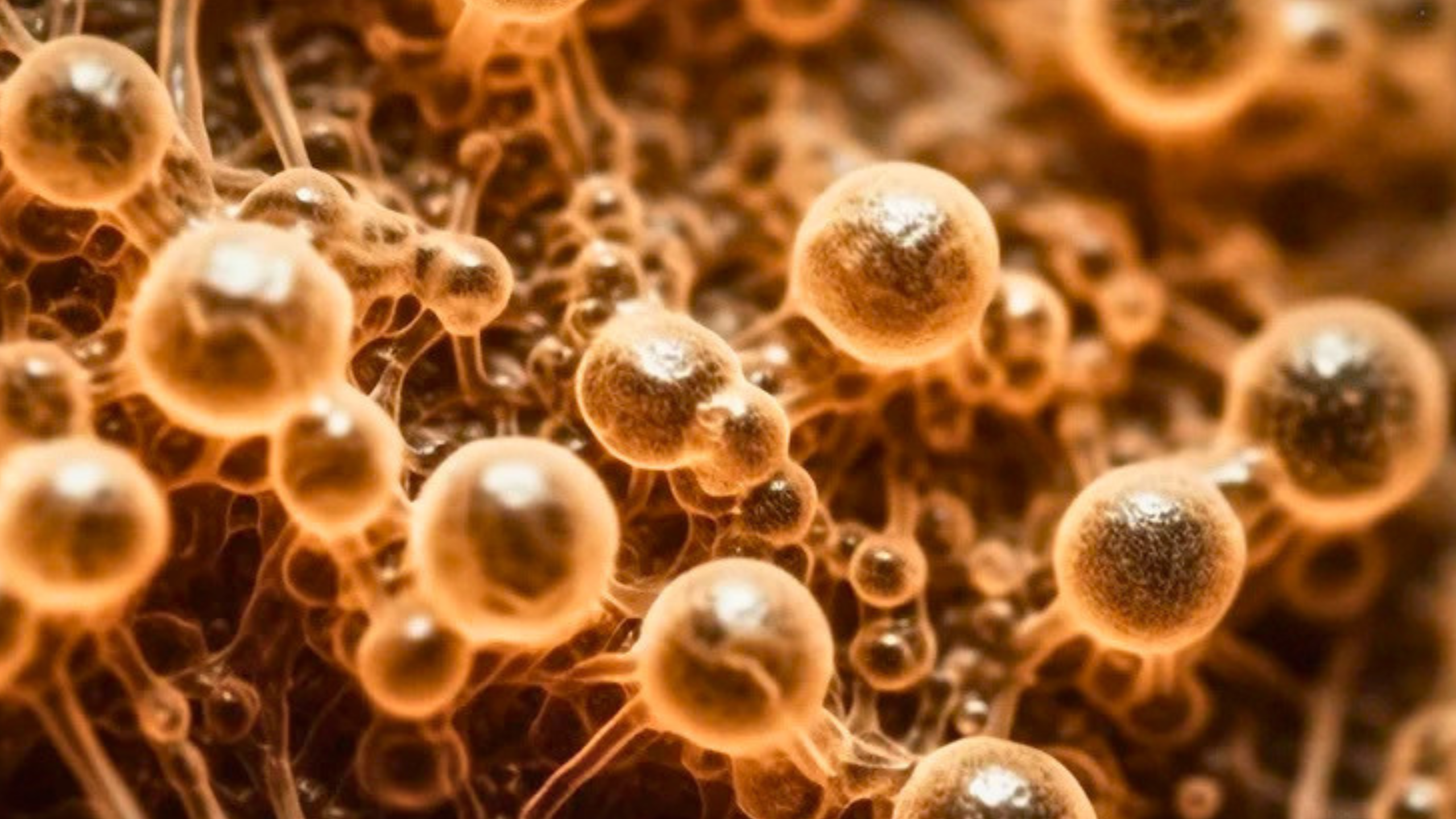
A dangerous fungus has become resistant to every major antifungal drug currently available, and this resistance has emerged at least twice, according to a new report from Science Alert. The fungus, identified as Candida auris, is a known hospital-associated pathogen that can cause severe, often fatal infections, particularly in people with weakened immune systems. The development of pan-resistance—resistance to all classes of antifungal drugs—marks a critical escalation in the global fight against antimicrobial resistance.
Candida auris was first identified in 2009 and has since spread globally, with outbreaks reported in hospitals and long-term care facilities across multiple continents. The fungus is notoriously difficult to identify and can survive on surfaces for weeks, making containment challenging. According to the U.S. Centers for Disease Control and Prevention (CDC), more than 90% of C. auris infections are resistant to at least one antifungal drug, and about 30% are resistant to two or more. The new report indicates that some strains are now resistant to all three major classes of antifungals: azoles, polyenes, and echinocandins. This pan-resistance has emerged independently in different parts of the world, suggesting that the fungus is evolving rapidly under selective pressure from widespread antifungal use.
The implications are dire: without effective antifungal drugs, even minor infections could become life-threatening, and routine medical procedures such as surgery, chemotherapy, and organ transplants could become far riskier. Global health authorities, including the World Health Organization (WHO) and the CDC, have classified C. auris as a serious global health threat and are calling for increased surveillance, improved infection control, and accelerated development of new antifungal agents. The report underscores the urgent need for international cooperation to address this growing crisis, as the pipeline for new antifungals remains dangerously thin.





Comments (0)
No comments yet. Be the first to share your thoughts!
Leave a Comment