Kerala's Lily Boom Turns Ecological Nightmare: Malarikkal's Pink Invasion Sparks Methane Fears
A two-year study for the Kerala State Biodiversity Board has found that water lilies, which appeared in Malarikkal after the 2018 floods, are growing uncontrollably, threatening local aquatic ecosystems and potentially increasing methane emissions. While the seasonal bloom has boosted tourism and local incomes, ecologists warn of impacts on water flow, sunlight penetration, and native plant species.
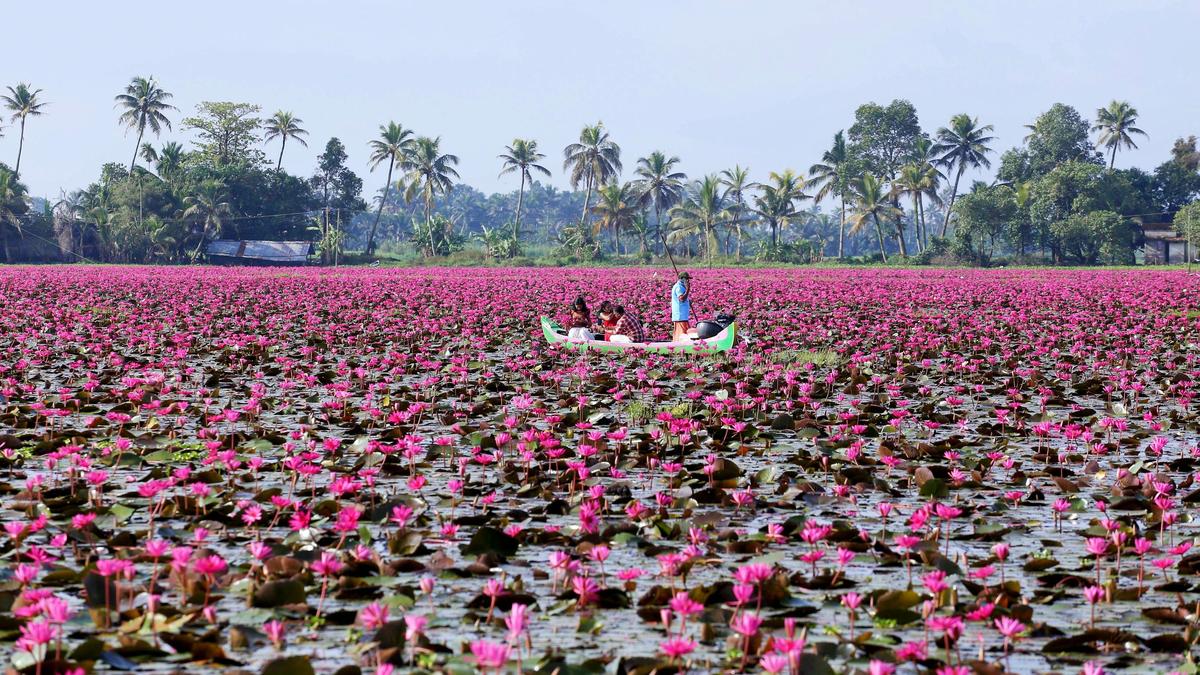
A two-year study commissioned by the Kerala State Biodiversity Board has revealed that water lilies in Malarikkal, Kerala, have exhibited unprecedented and uncontrolled growth since their appearance after the 2018 floods. The study, released this week, warns that the invasive lily species is disrupting local aquatic ecosystems, affecting water flow, reducing sunlight penetration, and threatening native aquatic plants.
The water lily, believed to have been introduced to the region by floodwaters, has transformed Malarikkal into a tourism hotspot, drawing visitors to its seasonal pink blooms. This has brought additional income to farmers, boat operators, and local residents. However, ecologists caution that the plant's rapid spread could lead to long-term ecological damage, including increased methane emissions from decaying plant biomass. The Kerala State Biodiversity Board has yet to issue specific recommendations, but officials indicate that management strategies are under consideration.
The findings highlight a growing tension between economic benefits from tourism and environmental conservation. While local communities have embraced the lily as a source of livelihood, experts urge a balanced approach to prevent irreversible harm to the region's biodiversity. The board is expected to propose mitigation measures in its upcoming report, with potential implications for similar ecosystems across India.





Comments (0)
No comments yet. Be the first to share your thoughts!
Leave a Comment