GPS Study Reveals Elephant Routes in Assam to Curb Deadly Conflicts
The Assam Forest Department and WWF-India conducted a GPS study from April 2021 to June 2026, tracking four female-led elephant herds and one solitary male in Udalguri, Sonitpur, and Biswanath districts. The study aims to understand elephant movement patterns to reduce human-elephant conflicts in these high-conflict areas.
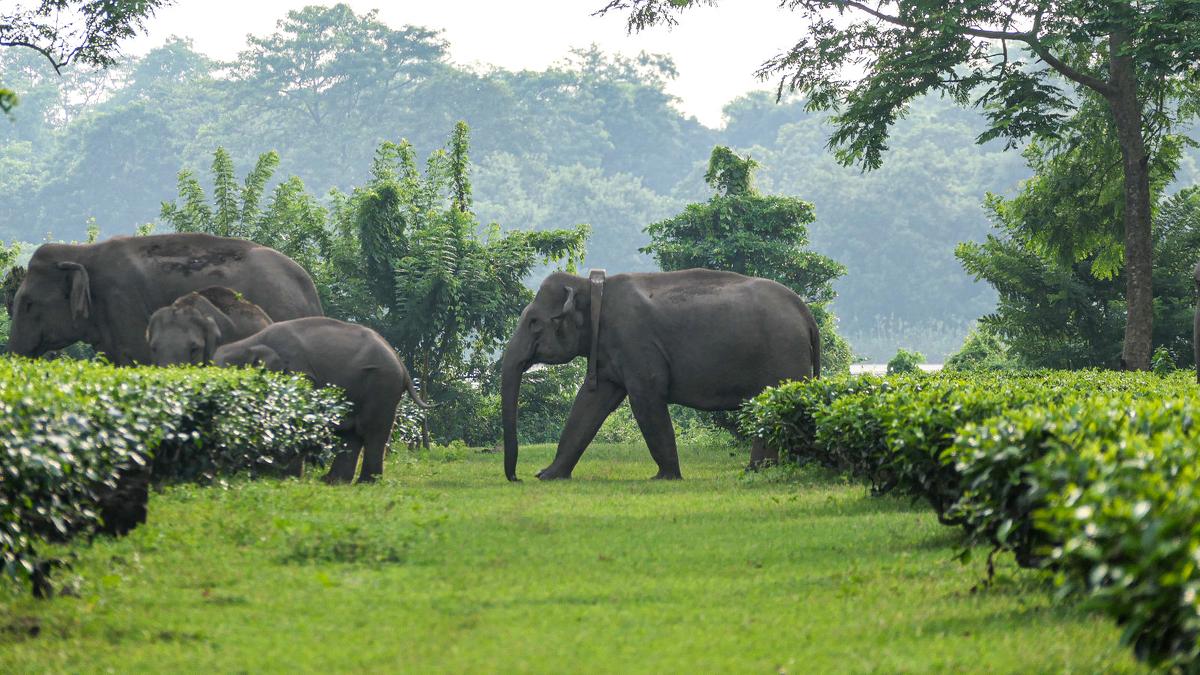
The Assam Forest Department, in collaboration with WWF-India, has undertaken a groundbreaking GPS study to track the movements of elephants in three high-conflict districts: Udalguri, Sonitpur, and Biswanath. Between April 2021 and June 2026, researchers monitored four female-led herds and one solitary male elephant, aiming to understand their migratory patterns and reduce escalating human-elephant conflicts in the region.
Assam has long grappled with human-elephant conflict, resulting in loss of lives and property. This study represents a significant step toward evidence-based mitigation strategies. By mapping elephant corridors and identifying conflict hotspots, authorities hope to implement early warning systems and community-based prevention measures. A WWF-India spokesperson emphasized the importance of coexistence, stating, 'Understanding elephant movement is crucial for fostering harmony between humans and wildlife.'
The findings are expected to inform policy decisions and land-use planning in Assam, potentially serving as a model for other regions facing similar challenges. As human populations expand into elephant habitats, such initiatives are vital for conservation and public safety. The next phase will involve sharing data with local communities and integrating GPS technology into broader conflict management frameworks.




Comments (0)
No comments yet. Be the first to share your thoughts!
Leave a Comment